Story
Jean Louis Trapet Père et Fils
Gevrey-Chambertin · Burgundy · France
The Trapet family, with a heritage spanning back to the 19th century, played a pivotal role in saving Burgundy vineyards during the phylloxera crisis by being among the first to graft vines illegally during the 1880s. This innovation allowed them to supply wine to the Hospice de Beaune when many others couldn’t.
“Originally named after its founder, Domaine Louis Trapet, the estate was divided in 1993, with part becoming Domaine Rossignol-Trapet.”
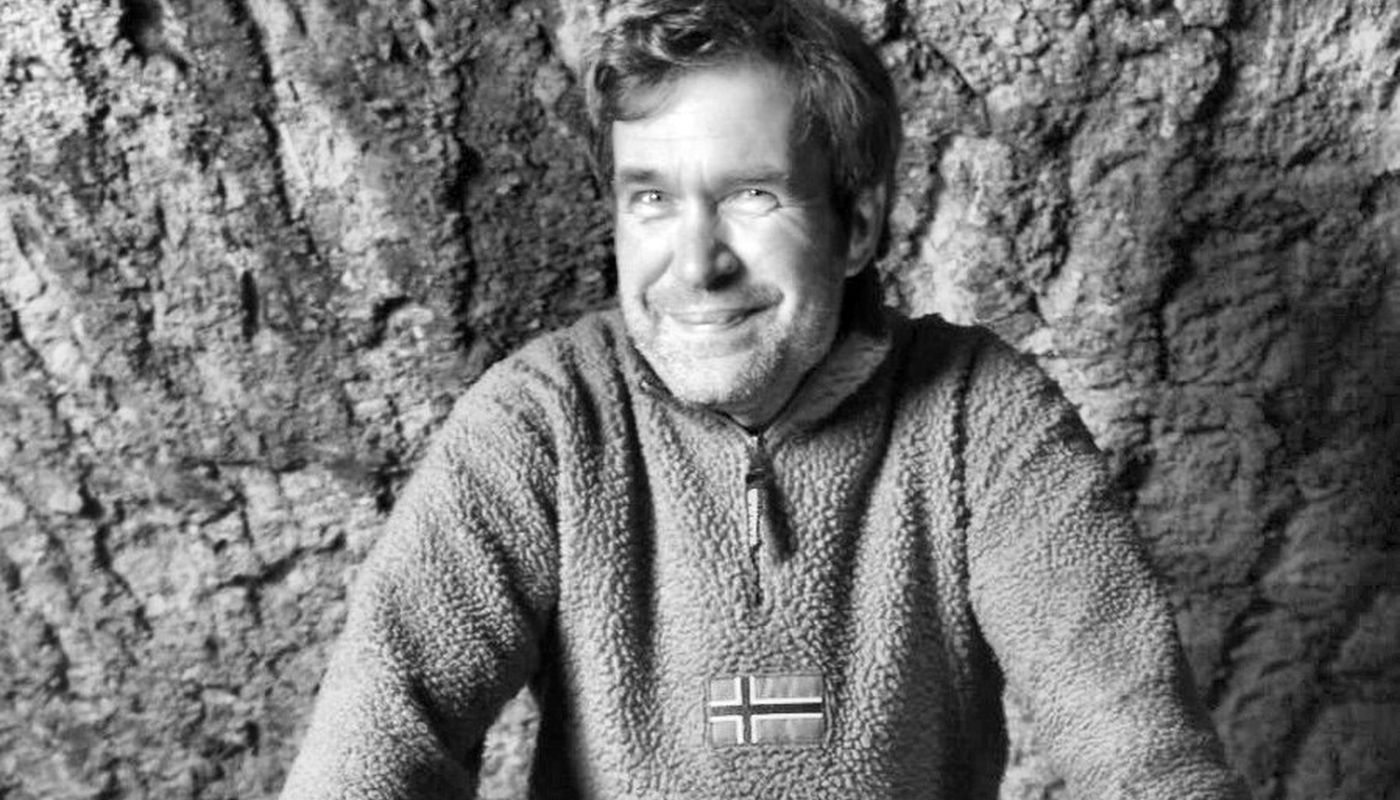
It was then renamed Domaine Trapet Père et Fils, under Jean-Louis Trapet’s leadership.Jean-Louis was a trailblazer in biodynamic farming, achieving Demeter certification for the estate by 2009. His approach in the cellar has evolved from using significant amounts of new oak in the 1990s to more restrained methods focused on expressing terroir. Today, Domaine Trapet Père et Fils is renowned not just for its three grand crus—Latricières-Chambertin, Chapelle-Chambertin, and Chambertin—but for consistently producing elegant and complex wines across all levels. The estate also holds notable plots in premier crus like Clos Prieur and Petite Chapelle, acquired in the late 19th century, which sometimes contribute to a special cuvée when yields are low.